Period and listed property
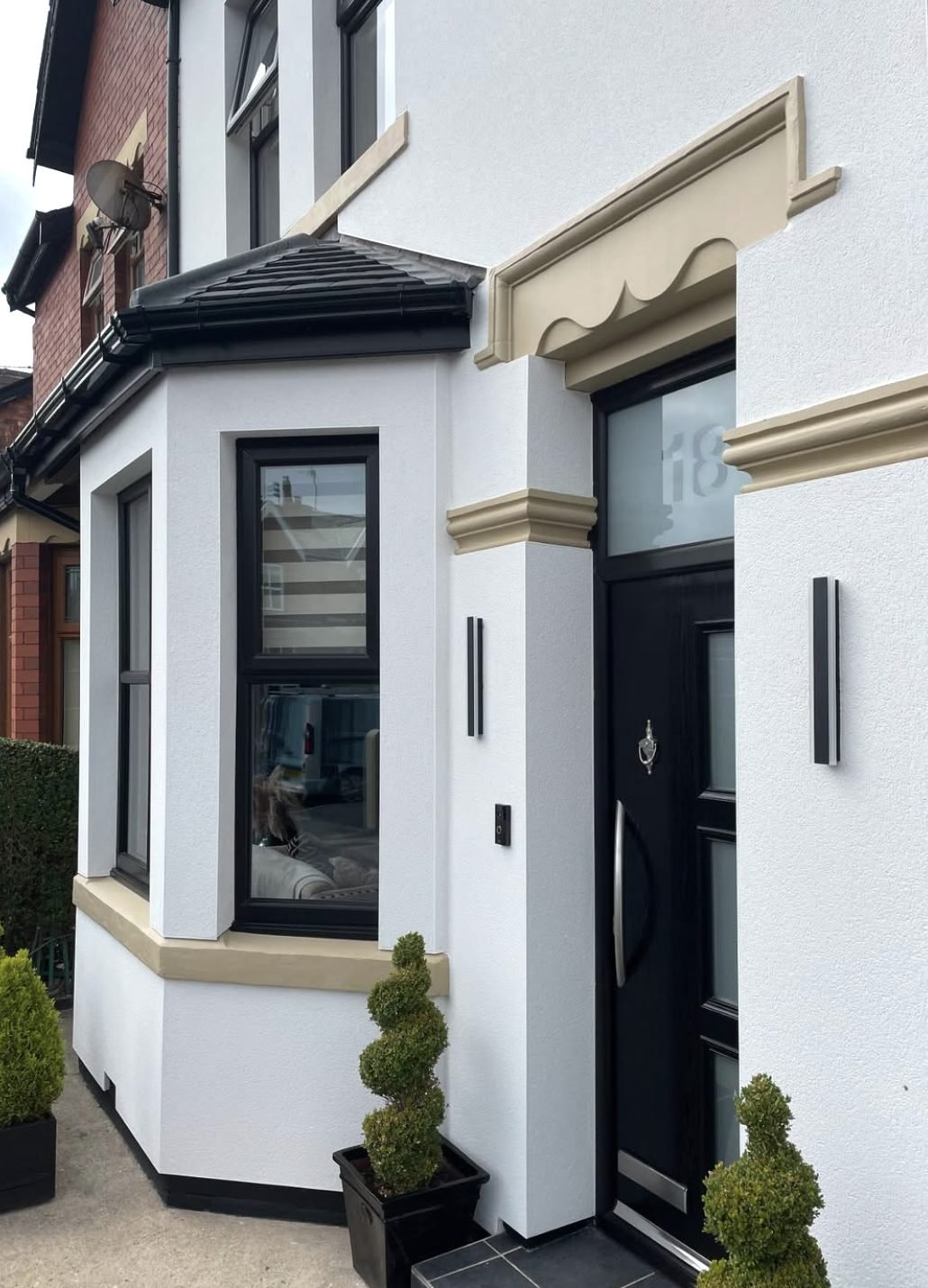
Solid walls, historic render and moulded stone need a different conversation to a cavity-built semi. On these buildings the first question is never colour. It is whether the wall can still let moisture out once we have finished.
- Conservation areas
- Listed buildings
- Lime render
- Breathable systems
- Stucco restoration
- Historic repair
Talk about an older building
Tell us roughly when it was built and whether it is listed.
Straight to us, not to a lead panel. One call back, then a figure in writing.
What this work involves
Six things that come up on nearly every older property in this city.
Conservation areas
York has an unusual number of them, reaching well beyond the walls. Consent often applies where it would not elsewhere.
Listed buildings
A separate consent, needed for alterations affecting character. We will not start without seeing it.
Breathable build-ups
Lime and mineral systems that carry moisture out rather than sealing it in behind the face.
Moulded detail
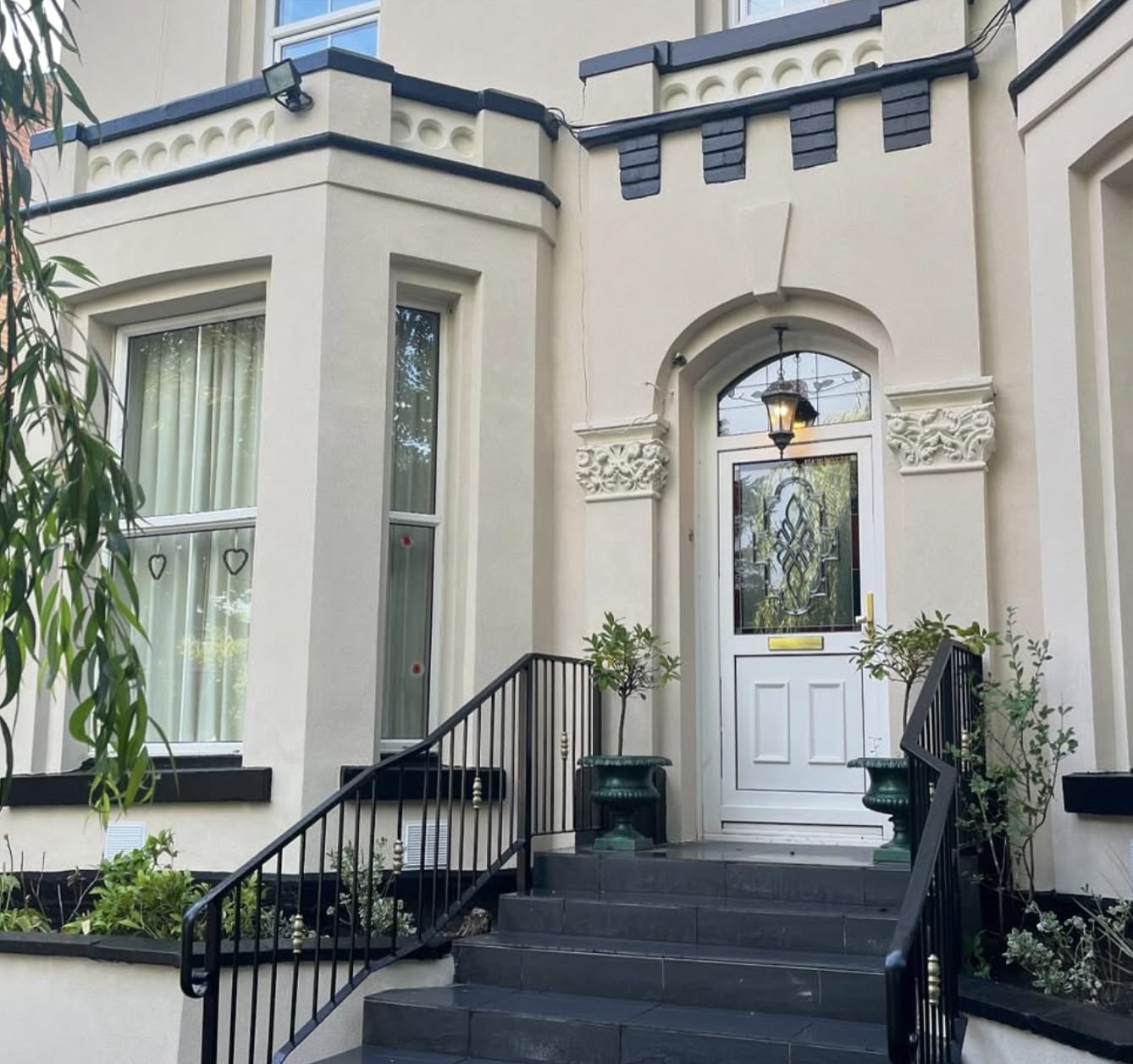
Hood moulds, corbels, string courses and doorcases cut round and reinstated, never buried.
Repairing historic render
Failing lime patched in kind where it can be, rather than stripped off wholesale.
Written specifications
Set out in the form a planning or conservation submission actually needs.
The mistake that costs the most
It is applying a dense, cement-rich render to a solid wall that has spent a century and a half breathing.
Those walls have no cavity behind them and no membrane underneath. They take in moisture during wet weather and give it back through the outer face when the weather turns. That cycle is how the building has stayed habitable.
Seal the face and the cycle only half works. Water still gets in, through the roof, the ground, the mortar, but it can no longer get out the same way. It travels inward instead, and the first anyone knows is blown plaster on an internal wall two winters later.
By that point the render is the expensive part to undo. Which is why we would rather have this conversation before the job than after it.
Before you apply for anything
Three checks, in this order, and all of them free to make.
Find out whether your address sits inside a conservation area, and whether the street carries an Article 4 direction. City of York Council holds both and will tell you.
Find out whether the building is listed, and at what grade. Listing is a separate matter from the conservation area and carries its own consent requirement.
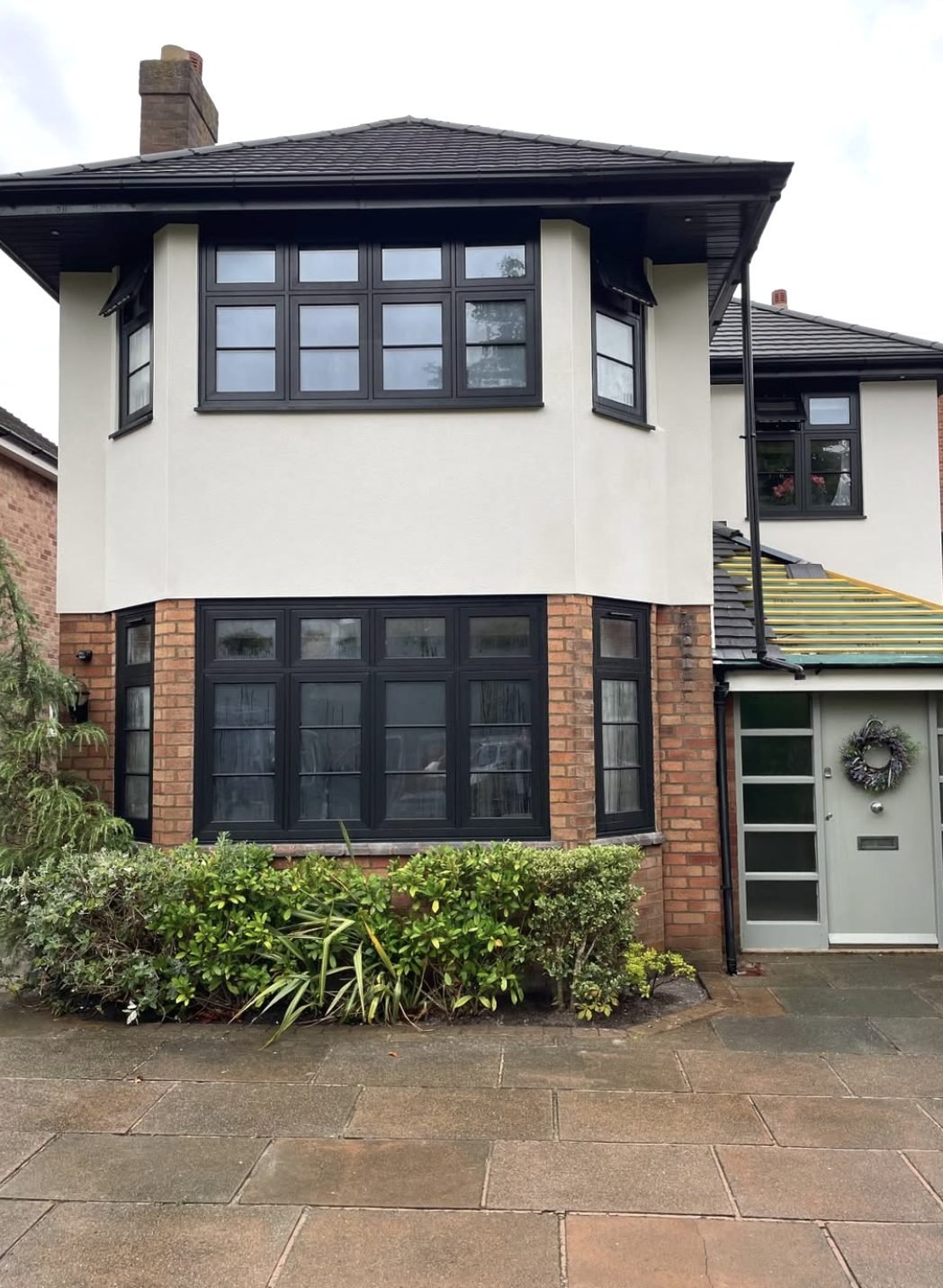
Then establish how the wall is actually built. A solid wall and a cavity wall of the same age look identical from the street and want entirely different treatment.
Once you have those three answers, the conversation about what is possible becomes a short one.
Detail worked around, not over
Period property questions
Do I need consent to render a house in a conservation area?
Often, yes. Inside a conservation area the permitted development rights that would normally cover external cladding and render are frequently restricted, and some streets carry an Article 4 direction that removes them altogether.
Check with City of York Council before you agree anything with anybody. It is a short conversation and it is far cheaper than the alternative.
What about a listed building?
Listed building consent is a separate requirement from planning permission and it applies to alterations affecting character, inside and out.
Rendering a listed building, or removing historic render from one, will normally need it. We will not start work on a listed property without seeing that consent.
Why does breathability matter so much on older walls?
A solid wall has no cavity and no damp-proof course doing the work a modern wall relies on. It handles moisture by absorbing it and then releasing it back out through the face.
Cover that face with a dense cement-rich coat and the moisture cannot leave the way it arrived. It moves inward instead, and shows up as damp plaster, perished skirtings and cold internal walls.
So is lime always the answer on an old house?
Not automatically, but it is usually the starting point, because lime carries moisture vapour rather than blocking it and it moves with the wall instead of resisting it.
Some modern mineral and silicate systems are breathable enough to be appropriate too. What is almost never appropriate is a dense cement render over solid masonry, whatever the price difference looks like.
Can original mouldings be kept?
Yes, and they should be. Hood moulds, corbels, string courses, quoins and moulded doorcases are cut round and reinstated rather than buried under a flush coat.
It is slow, careful work and it is the difference between restoring a frontage and erasing one. It is also the part a rushed job gives up first.
Our render is failing but the house is listed. What now?
Start with what is actually there. Historic lime render that is failing in patches can often be repaired in kind rather than replaced wholesale, which is usually what a conservation officer would prefer.
Replacing sound historic fabric unnecessarily is both expensive and hard to justify on an application. We would rather repair it.
Will you write the specification for our application?
Yes. We set out the system, the materials, the build-up and the finish in the form a planning or conservation submission needs.
That does not guarantee an approval, and we would not claim otherwise. It does mean the officer is looking at a proper specification rather than a one-line quote.
Do you work on Victorian terraces that were never rendered?
We do, and we will also tell you honestly when we think it is the wrong idea for the building.
On some streets the brickwork is the whole character and covering it is a loss, quite apart from the moisture question. You will get that view from us before you get a price.
Older building? Start with a conversation
Tell us the age, whether it is listed and what is on the walls now. We will tell you what is realistic before anybody talks about money.